

Chaos, learning curves, and why LMU’s ranked system is starting to matter
LMU daily races are quietly becoming one of the most revealing parts of Le Mans Ultimate right now. Across rookie lobbies, ranked sessions, and long-form endurance dailies, drivers are starting to show what the sim rewards and where it still pushes back.
Over the last few days, multiple creators jumped into LMU’s daily races across different license levels, car classes, and race lengths. What came out of that wasn’t a clean highlight reel. It was messy, funny, frustrating, and very revealing.
Taken together, these races show a sim that’s still rough around the edges, but also one that’s starting to reward patience, racecraft, and understanding endurance rules instead of brute pace alone.
LMU Daily Races: Bronze Chaos vs Ranked Reality
One of the clearest through-lines across these sessions is how different LMU feels depending on the race tier.
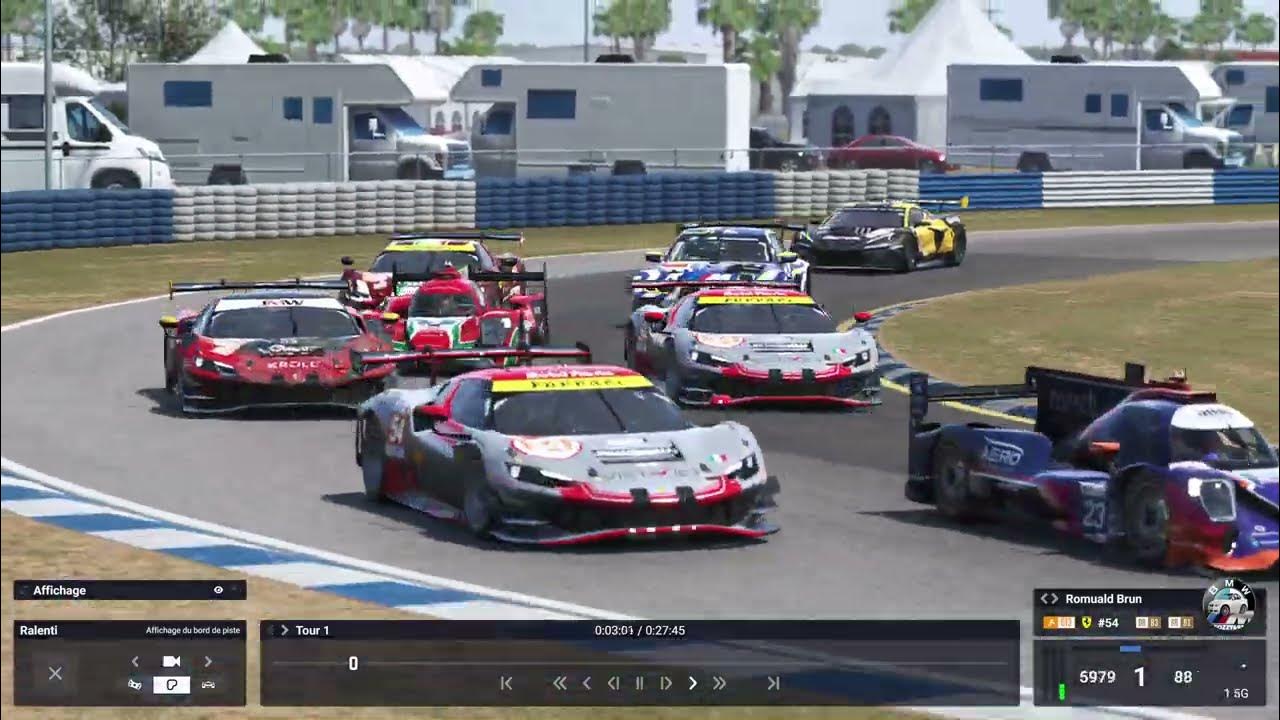
Beginner and low-license dailies are exactly what you’d expect. Cold tires, missed braking points, unpredictable rejoins, and plenty of “what are you doing?” moments. Multiple races showed LMP3s and LMP2s spinning under braking, drifting back across racing lines, or simply not having control of the car yet.
That unpredictability doesn’t just slow races down. It actively reshapes how faster drivers approach traffic. Instead of planning overtakes, they’re reacting to survival situations. Even clean drivers end up losing time because they can’t trust what’s going to happen ahead.
But once you move into higher-license dailies, especially gold-ranked races, the tone changes.
Not perfectly. Not magically. But noticeably.
Drivers still make mistakes, but the intent shifts. People leave space more often. Traffic flows instead of detonating. And when incidents happen, they tend to be recoverable rather than race-ending.
That contrast alone explains why LMU’s license system matters, even if it isn’t fully dialed yet.
The blue flag confusion is real
One recurring point of tension was blue flags, especially in multiclass racing.
Some drivers treated blue flags as “I’ll drive my line and you deal with it.” Others expected slower cars to immediately lift and facilitate the pass. The reality, based on the in-game rules and how races played out, sits in the middle.
Blue flags in LMU are advisory, not commands. Slower cars don’t have to vanish, but they do need to help reduce time loss for the faster car. That distinction sounds small, but in traffic it’s everything.
When that expectation isn’t shared, frustration snowballs fast. Drivers behind feel blocked. Drivers ahead feel pressured. And suddenly what should be a clean multiclass exchange turns into contact, flat spots, or worse.
What stood out was how quickly racers adapted once the rule was clarified. The best battles came when both sides understood that endurance racing isn’t about forcing the move, it’s about timing it.
Fuel saving isn’t optional anymore
If there’s one skill LMU is quietly pushing to the front, it’s fuel management.
Across long dailies and gold-ranked races, drivers who simply drove “normally” often gained time without trying. Smooth inputs, early braking, and patience in traffic consistently resulted in lower fuel usage and better virtual energy balance.
In at least one race, that approach turned into multiple positions gained simply because others had to pit again or overfueled early. Watching competitors fall off late due to fuel miscalculations made it clear that LMU isn’t forgiving sloppy strategy.
The takeaway isn’t that everyone needs to become a spreadsheet racer. It’s that LMU rewards endurance fundamentals in a way many sims don’t. Saving fuel isn’t passive. It’s pace.
Hypercars feel different here, and that matters
There’s been plenty of debate about LMU versus iRacing, especially around hypercars. What stood out in these races wasn’t brand loyalty. It was confidence.
Drivers who stepped into LMU hypercars repeatedly commented on how predictable they felt once settled. The cars allowed for early braking at high downforce, smoother rotation, and consistent corner exits without constant fear of snap moments.
That didn’t make them easy. Starting from the back still required discipline, traffic awareness, and patience. But it did make them feel readable. Mistakes came from pushing too hard, not from guessing what the car might do next.
That sense of trust is a big deal in endurance racing, especially in mixed conditions and long stints.
What LMU Daily Races Reveal About Driver Progression
What ties all of this together isn’t who won or who crashed. It’s progression.
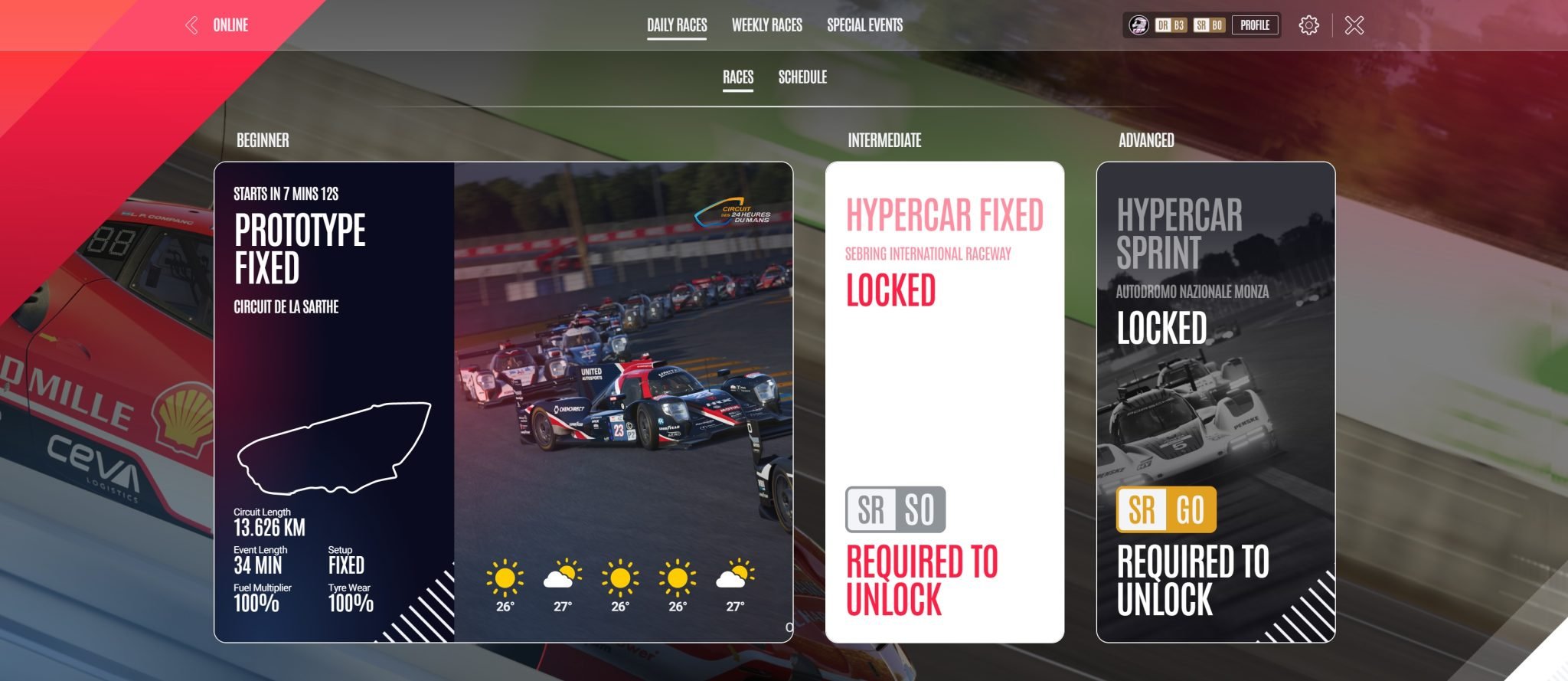
Drivers went from chaotic early races to cleaner ones within the same sessions. They adjusted brake pressures, fuel ratios, and expectations. They stopped forcing moves and started planning them. Even races that ended mid-pack often felt successful because the driving improved.
That’s the part worth paying attention to.
LMU right now isn’t a polished, perfectly behaved ecosystem. But it is a system that responds to good habits. Learn the rules, respect traffic, manage fuel, and the sim gives something back. That’s what makes LMU daily races so interesting right now. They’re not just repeatable content, they’re actively shaping how players learn endurance racing inside Le Mans Ultimate.
Ignore those things, and it bites.
And maybe that’s the point.
Daily races aren’t just content fodder anymore. They’re shaping how people learn the sim, one chaotic stint at a time.
If this is where Le Mans Ultimate is headed, the future isn’t about less chaos. It’s about earning your way out of it.