

Le Mans Ultimate racing doesn’t always shine when races are clean and predictable. Over the past day, two LMU videos made that clear in a way that’s hard to ignore. Random Callsign’s “Races like these is why I love Le Mans Ultimate” and Dave Cam’s wet GT3 daily at Monza aren’t about perfection. They’re about coping with pressure, adapting to chaos, and getting to the end when nothing unfolds the way you planned.
That’s where LMU feels most alive.
These Le Mans Ultimate Racing Sessions Aren’t Highlight Reels, and That’s the Point
Neither of these videos is trying to sell a flawless driving experience.
Dave Cam’s Monza race starts with uncertainty right away. It’s wet, he hasn’t raced much in the rain since LMU’s changes, and Monza punishes mistakes even in dry conditions. He qualifies well and lines up P2, but it doesn’t take long to realize this race is going to demand a completely different approach than practice or qualifying.
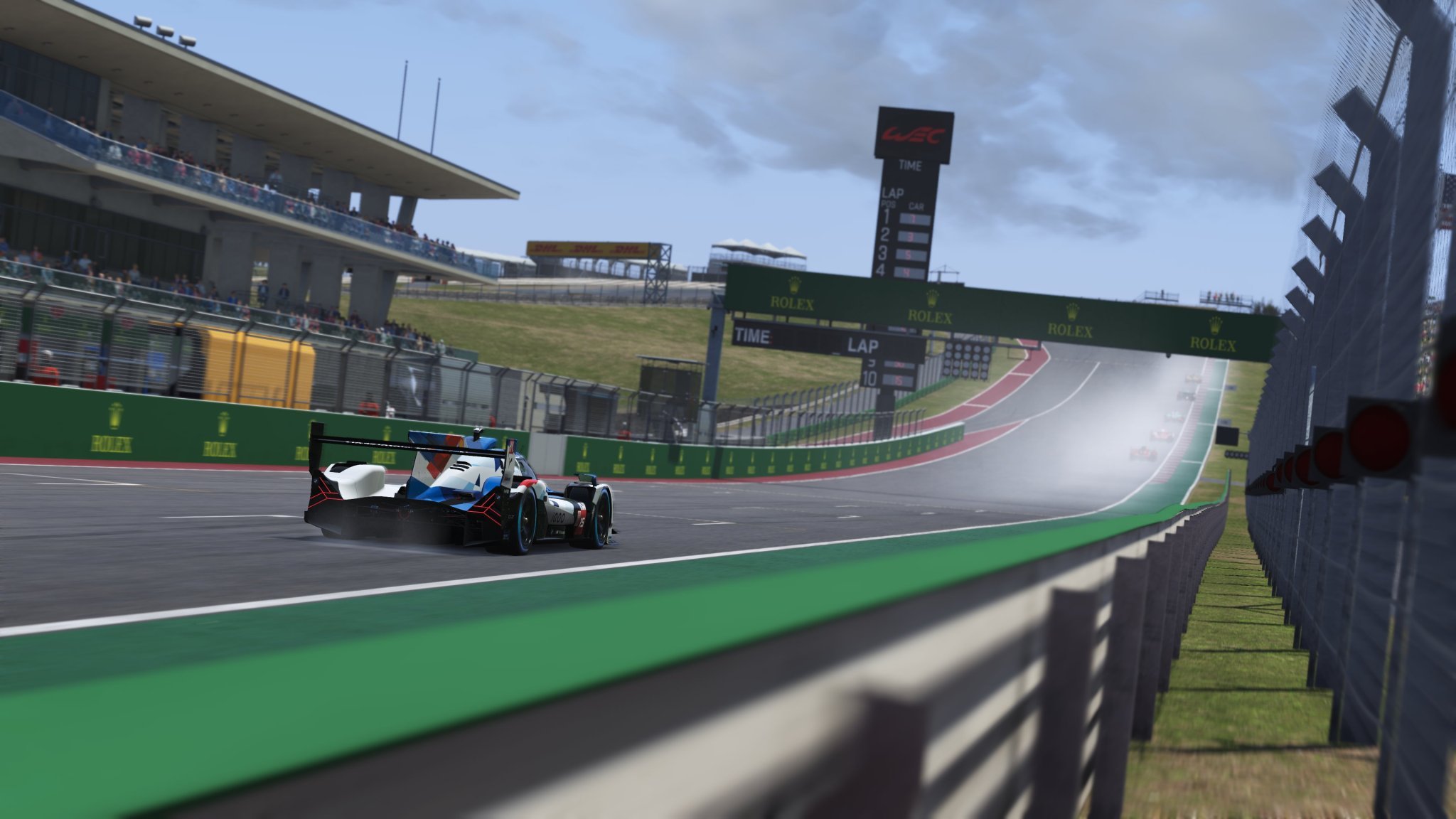
He overshoots corners. Braking comes a little too hard at times. He openly admits he’s pushing when he shouldn’t be. Instead of locking into a script, the race becomes about figuring things out lap by lap.
Random Callsign’s Portimão race lives in the same space. Bronze-level GT3, a deceptively difficult track, and constant side-by-side pressure. From the opening laps, survival matters as much as pace. Drivers expect lunges into turn one. Weird cambers punish even small mistakes. Any contact can end your race instantly.
These aren’t races where you sit back and relax. They’re races where you’re constantly thinking.
How Pressure Exposes Habits in Le Mans Ultimate Racing
What makes both races compelling is how close everything is. Cars are always nearby. Traffic never really clears. Every corner feels like it could turn into a problem if you misjudge it.
In Dave Cam’s race, that pressure shows up in small choices. He backs out of situations that wouldn’t be fair to defend. He keeps an eye on fuel loads and avoids big setup changes mid-race because the risk simply isn’t worth it. Even when contact happens late, he treats it as part of racing closely in difficult conditions, not as spectacle. That’s why Le Mans Ultimate racing feels so revealing when pressure builds and margins disappear.
In Random Callsign’s race, restraint becomes a theme. Rather than forcing moves that could ruin both drivers’ races, he shows restraint. Faster cars are allowed through, and opportunities come from others’ mistakes instead of manufactured aggression. Being patient keeps him alive.
Mistakes Matter More Than Raw Pace
Neither race is won on raw speed alone. Both drivers talk openly about understeer, braking limitations, and lines that don’t always behave as expected. At Portimão, off-camber corners and elevation changes punish anyone who gets greedy. At Monza, rain blurs the line between dry racing lines and wet ones.
That’s where habits show. Some drivers panic. Others adapt. A few keep pushing the same way even when it clearly isn’t working.
LMU doesn’t hide those tendencies. It puts them on display.
Why “Messy” Le Mans Ultimate Racing Is More Watchable Than Hotlaps
A perfect hotlap is impressive, but it’s static. These races aren’t.
The thinking process is visible throughout the race. Drivers talk through uncertainty in real time. Gaps shrink and grow because of decisions, not just car performance. Random Callsign even sums it up perfectly, comparing the game to pizza. When it’s bad, it’s still good. And when it’s good, it’s really good.
That line works because the race proves it. The enjoyment comes from navigating imperfection, not eliminating it.
LMU Isn’t Polished Under Stress, but It Is Honest
Neither video pretends LMU is flawless.
Dave Cam is clear that wet racing still needs work and doesn’t fully behave the way he expects. Random Callsign talks openly about setups, braking weaknesses, and cars that aren’t meta. But neither of them disengages. If anything, the friction is what keeps them invested.
Right now, Le Mans Ultimate racing is at its most compelling when everything goes a little wrong. When LMU works, it doesn’t feel like a showcase. It feels like a pressure cooker. And under that pressure, races become memorable not because everything goes right, but because you manage to survive when things don’t.
That’s why races like these stick. And it’s why, right now, LMU’s most compelling moments come when everything goes a little wrong.